
TikTok advertising is not about polished commercials or studio-quality brand videos. TikTok users will scroll past them without a second to spare.
On TikTok, users scroll for entertainment, education, and relatable moments. When a video feels like a traditional ad, it interrupts that experience, and most viewers swipe away within seconds. That drop in watch time limits distribution and drives up costs.
This shift has changed how successful ads are created. The highest-performing campaigns now look and feel like organic posts. They use creator-style storytelling, natural lighting, simple edits, and value-first messaging. Instead of pushing a product immediately, they earn attention first, then introduce the offer naturally.
Get Up to $6000 Free TikTok Ad Credit
In 2026, the rule is simple: if your ad looks like an ad, it gets skipped. If it feels like content, it performs.
This guide shows you how to create TikTok ads that blend into the feed, hold attention, and drive real conversions.
Table of Contents
Key Takeaways
- Native-style ads outperform polished commercials on TikTok
- Watch time, saves, and engagement drive distribution more than production quality
- Creator-style storytelling builds trust faster than branded messaging
- Value-first structure improves both retention and conversions
- Soft CTAs generate more clicks than aggressive sales language
Why Native Ads Dominate TikTok in 2026
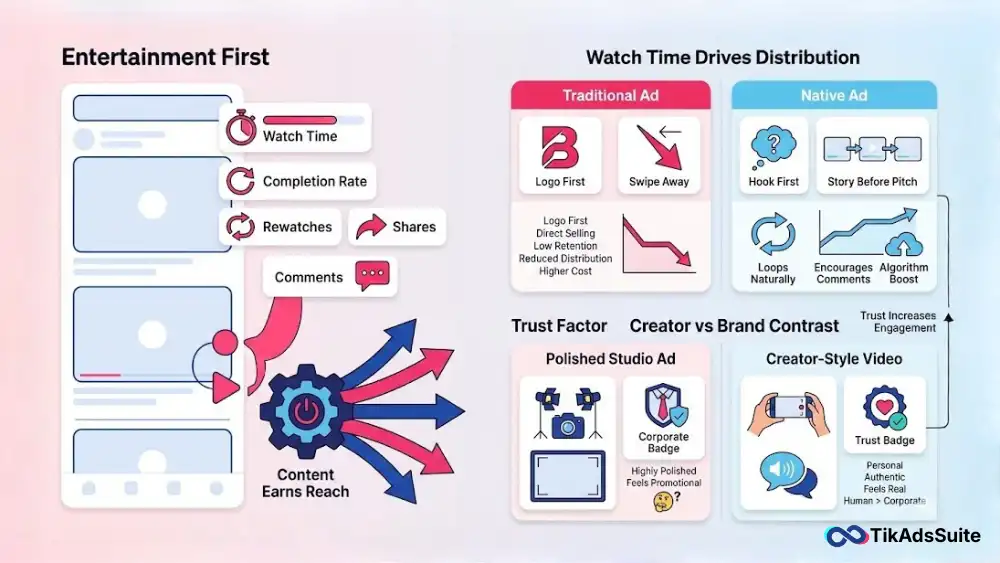
Native TikTok ads dominate because the platform rewards content that maximizes watch time, engagement, and authenticity rather than traditional brand messaging.
Want a more technical breakdown of TikTok ads? Check out our guide to TikTok ad requirements.
1. TikTok Is an Entertainment-First Platform
Users open TikTok to be entertained or informed, which means ads have to earn attention the same way organic videos do. Traditional ad structure conflicts with user expectations. Native content aligns with them.
According to the TikTok algorithm guide, content spreads based on:
- Average watch time
- Completion rate
- Rewatches
- Saves, shares, and comments
2. Watch Time and Engagement Signals Drive Distribution
TikTok’s recommendation system values videos that keep people watching. When an ad opens with branding, logos, or a direct sales pitch, viewers often swipe immediately. That drop in retention reduces distribution, and low distribution increases cost per result.
Native ads work because they:
- Start with a hook, not a product
- Deliver a story before pitching
- Encourage saves, comments, or curiosity
- Loop naturally to boost completion rates
3. Creator-Style Content Builds More Trust Than Brand Content
In 2026, users trust people. Highly polished studio ads trigger skepticism; raw, human content piques interest.
When someone says, “I tried this for 30 days,” it feels personal. When a brand says, “This is the best solution,” it feels forced. Native ads close the gap between advertising and entertainment, and on TikTok, that gap determines performance.
Core Principles of TikTok Native Ads
TikTok native ads succeed when they follow organic content behavior patterns: blend in visually, deliver value first, prioritize authenticity, and persuade softly instead of selling aggressively.
1. Blend In With Organic Content Formats
Native ads mirror what users already consume. Avoid robotic corporate intros, brand bumpers, or studio-style framing; if your video looks like a commercial, users recognize it instantly.
Study organic posts in your niche and model the structure, not just the visuals. The goal is alignment with user expectations.
That means:
- Similar pacing to trending videos
- Creator-style framing
- Casual language
- Platform-native editing
2. Value First, Product Second
Viewers stay because the content itself is worth watching, not because they want to see an ad. Only after you deliver value should the product appear.
Deliver:
- Useful tips
- Relatable moments
- Short transformations
- Helpful and interesting insights
3. Personal Over Professional
Highly produced videos often fail compared to simple, human content. This doesn’t mean low quality.
The audio and visuals must still be clear and easy to follow. But the tone should feel real, not scripted.
Authenticity signals include:
- Natural speech patterns
- Minor imperfections
- Real environments
- Casual wardrobe
4. Soft Persuasion Instead of Hard Selling
When viewers feel like they discovered a product inside a story, they love the native feel, and as a result, conversion improves.
Instead, use subtle persuasion:
- Show results visually
- Share personal experience
- Let benefits emerge naturally
Rather than “Buy now” language, early product close-ups, or overstated claims, let the story do the selling.
Step-by-Step TikTok Native Ads Creation Guide
Native TikTok ads tend to follow a similar structure as high-performing organic videos: trend-aligned formats, fast hooks, value-first storytelling, natural product placement, and soft calls to action. Each step focuses on retention first, then conversion.
Step 1: Research TikTok Trends
Trend research helps you create ads that match what users already enjoy watching, which improves retention and lowers ad fatigue.
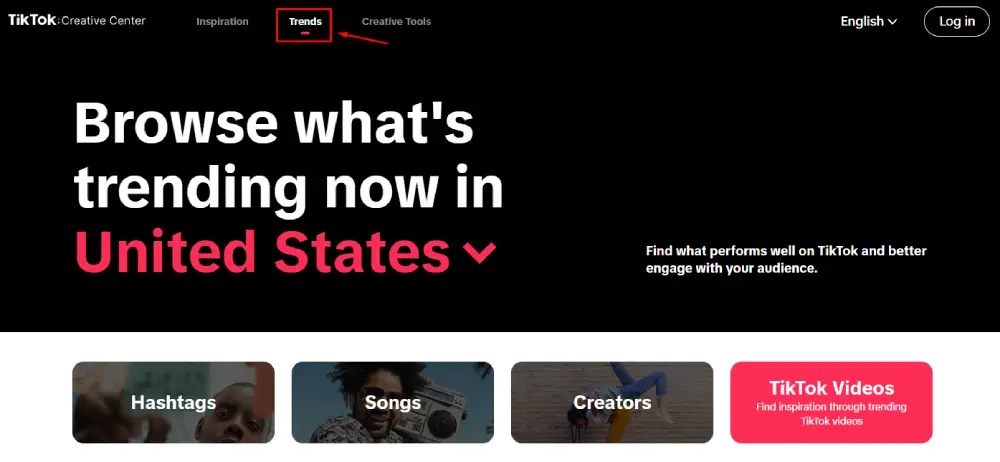
Focus on organic posts, not just ads. Natural organic content reveals what people truly engage with, and if a format performs well organically, it often carries over to paid campaigns too.
Start by observing your For You Feed and spotting patterns across your niche.
Look for:
- New video formats
- Popular storytelling styles
- Recurring hooks
- Trending sounds and captions
Then analyze the top creators or brands in your category:
- How they introduce the topic
- When the product appears
- The pacing and camera style
- The type of emotional response they trigger
Don’t force a trend that doesn’t fit your offer. Ask yourself: how would this product naturally appear inside this trend?
Step 2: Hook Frameworks (The 3-Second Rule)
The first three seconds determine whether the viewer keeps watching or swipes away, making the hook the most critical part of your ad.
TikTok’s algorithm heavily favors watch time and completion rate. If viewers leave early, the ad loses distribution. Your opening line needs to create immediate curiosity.
Effective hook types include:
- Curiosity hooks: “I thought this was a snake, but…”
- Relatable pain-point hooks: “If your phone battery dies by noon, try this”
- Pattern interrupts: Unexpected visuals, reactions, or statements
- Surprise angles: “I didn’t expect this to work”
Keep hooks conversational and natural. The hook should feel like the beginning of a story, not a sales pitch.
Step 3: Storytelling That Entertains First
Native TikTok ads work best when the story delivers value or entertainment before mentioning the product. Instead of jumping straight into promotion, build a short narrative.
The most effective structure is: Problem → journey → result.
For example:
- Problem: “My desk was always messy”
- Journey: Trying different solutions
- Result: Clean, organized setup
The product becomes part of the story, not the focus of it. Formats that work well include day-in-the-life videos, before-and-after transformations, short tutorials, relatable skits, and quick educational tips.
Step 4: Seamless Product Integration
Products should appear naturally inside the story. In native TikTok ads, the product often enters the frame casually, sitting on a desk, used during a routine, or mentioned mid-story. Avoid long feature explanations or aggressive product shots.
Focus on benefits rather than features:
- Feature: “Made with aluminum alloy.”
- Benefit: “Feels solid and doesn’t slide around.”
Visual proof works better than verbal claims. Let the audience see the result rather than hear a lengthy explanation.
Step 5: Soft, Swipe-Friendly CTAs
Soft, conversational calls to action convert better on TikTok because they match the platform’s natural tone. Hard-selling language like “Buy now” or “Limited offer” breaks the native feel.
Examples of soft CTAs:
- “It’s linked in the bio if you want to try it.”
- “I’ll leave the link below.”
- “You can test it for free.”
You can also use subtle text overlays instead of voiceover CTAs. This keeps the tone casual while still guiding the viewer toward action.
Native Ad Filming & Editing Techniques
Native TikTok ads perform best when they look and feel like organic creator content, using natural filming styles and fast, retention-focused editing. Production choices directly affect watch time and engagement.
1. Handheld, Natural Camera Style
Handheld filming feels personal and immediate. The goal is controlled casualness, stable enough to watch comfortably, but natural enough to feel real.
Overly polished framing, tripod-perfect symmetry, or cinematic camera moves can actually reduce relatability.
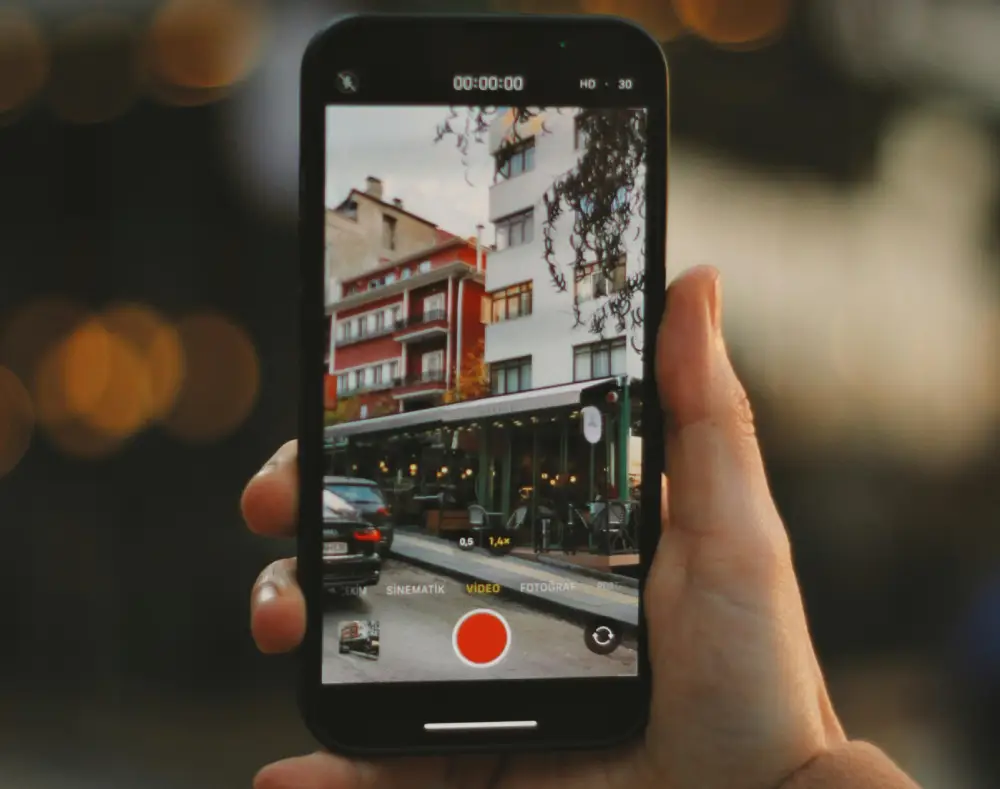
Try using:
- Front-facing camera for direct address
- Slight, natural movement
- Eye-level framing
2. Real Environments and Natural Lighting
Studio setups signal “ad.” Backgrounds should feel lived-in but not cluttered, and the setting should support the story, not distract from it.
Natural light near a window often works best: it creates softness without looking staged. Film in spaces like home offices, bedrooms, kitchens, or outdoors in natural light.
3. On-Screen Captions for Clarity and Reach
Unlike Facebook or Instagram, where the majority of users scroll on mute, TikTok’s own research shows that 88% of users say sound is essential to their experience. TikTok is a sound-first platform, and audio plays a major role in stopping the scroll and holding attention.
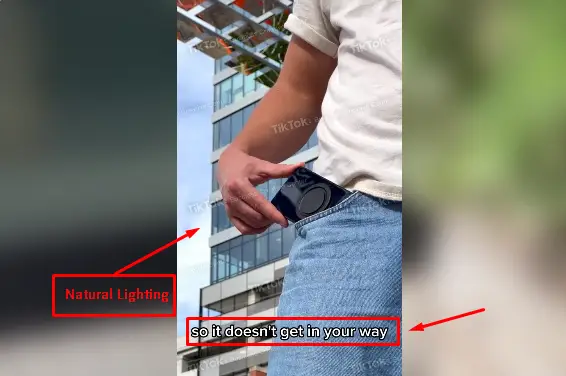
That said, captions still serve an important purpose. They improve accessibility for viewers in public spaces or quieter environments, reinforce key points for anyone who misses a word, and help TikTok’s in-app search engine index your content.
Keep captions concise and easy to read; large, clean fonts work best. Use them to reinforce your hook, highlight key points, and emphasize results.
4. Fast Pacing and Jump Cuts for Retention
Retention is directly tied to pacing. Jump cuts maintain attention, and subtle zooms can re-engage viewers during key moments. Native ads typically cut every one to three seconds, remove pauses, and use light motion.
Avoid over-editing with heavy transitions or excessive effects; clean, quick cuts feel more organic and are less likely to trigger the “this is an ad” response.
Using Content Creators and UGC for Authenticity
Creator-led content and user-generated videos outperform brand-produced ads because they feel trustworthy, relatable, and native to the TikTok feed. Research shows that 85% of consumers find UGC more trustworthy than brand-created media, and on a platform built around personal voices, that difference shows up directly in performance.
Why Creator Voice Converts Better
Creators understand TikTok’s culture, pacing, and language; their content feels native because it was made for the platform. Viewers are more likely to trust a real person sharing a result than a brand making a claim.
Creator-led ads often deliver higher watch time, more comments and shares, stronger social proof, and lower perceived ad intent. When someone’s recommending rather than endorsing, audiences respond differently.
Briefing Creators Without Over-Scripting
The best creator ads sound like genuine recommendations, not corporate endorsements. Structure matters, but tone should remain natural.
When working with creators:
- Provide a clear goal, not a word-for-word script
- Share key talking points
- Let creators use their own words
- Encourage honest opinions
Turning Organic Posts Into Spark Ads
High-performing organic posts are often your best ad creative. Test organic content first, then scale what already works using Spark Ads. According to TikTok’s own data, Spark Ads outperform non-creator ads with a 142% higher engagement rate and 43% higher conversion rate, because they blend into the feed rather than interrupting it.
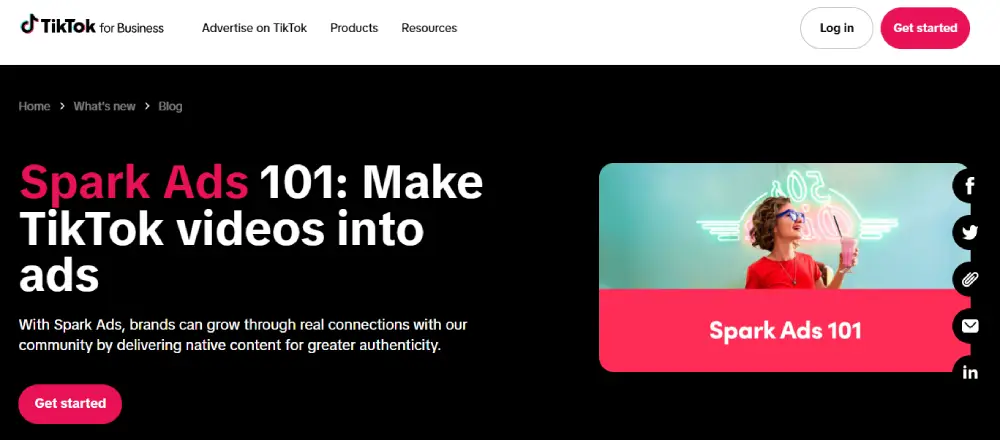
Benefits include:
- Preserved engagement metrics (likes and comments stay visible)
- Higher trust signals from real accounts
- Native placement in the feed
Mistakes That Make Your TikTok Ads Feel Like Ads
Most TikTok ad failures come from small production or messaging choices that signal “advertisement” too early. Avoiding these mistakes is often more impactful than adding new tactics.
Over-Editing and Studio-Style Production
Heavy effects, sharp transitions, and cinematic lighting often reduce trust rather than build it. Studio lighting, brand intros, perfect framing, and high-gloss visuals tell viewers immediately that they’re watching an ad, and they scroll.
Hard Selling in the First Three Seconds
The opening seconds should create curiosity or relatability, not push a conversion. Opening with “Buy now” language, product close-ups, or pricing information kills retention before the story has a chance to land.
Showing Logos or Product Shots Too Early
Early branding triggers instant ad recognition. Delay logos and product reveals until the viewer is already invested in the story. The longer you hold attention before selling, the better the performance tends to be.
Ignoring TikTok-Native Storytelling Formats
Bringing a YouTube-style or television-style ad format to TikTok rarely works. The platform has its own grammar, hooks, pacing, direct address, trending sounds, and ignoring it leads to poor watch time and limited distribution.
Frequently Asked Questions
What does it mean to create TikTok ads that don’t look like ads?
It means making videos that feel like native user content, shot on phones, using trends, sounds, and editing styles typical of the For You feed rather than polished, TV-style commercials. The goal is to entertain or provide value first, and let the product appear naturally within the story, so viewers don’t immediately recognize it as an ad and keep watching.
Why do native-looking TikTok ads perform better than traditional ads?
Native-looking TikTok ads perform better because they match the platform’s culture and avoid the scroll-past reflex triggered by overly polished creative. When ads feel like regular TikToks, using trending audio, casual hooks, and creator-style storytelling, they achieve longer watch times, higher engagement, and lower cost per acquisition.
How do I make my TikTok ads feel like organic content?
Film vertically in 9:16 at a minimum of 720p, and follow the same formats creators use: day-in-the-life, unboxings, “I tried X so you don’t have to,” and so on. Combine a strong hook in the first two to three seconds with handheld-style footage, on-screen text, and trending sounds to blend into the For You feed while naturally featuring your product.
What hooks work best for TikTok ads that don’t look like ads?
The best hooks feel like personal recommendations or curiosity-driven statements, “I didn’t expect this to work…” or “I wish I knew this earlier.” Avoid brand-first intros and instead start with a problem, transformation, or surprising result before mentioning your product or logo.
How can I use creators or UGC to make TikTok ads more native?
Partner with creators or use user-generated content so your ads look like real people sharing real experiences rather than scripted brand spots. You can turn high-performing organic posts into Spark Ads, or recreate UGC-style formats, unboxings, honest reviews, and before-and-after clips, to keep the content authentic while still running paid campaigns.
Should TikTok ads in 2026 be polished or raw?
Raw, informal creative, shot on phones, with minor imperfections and casual editing, typically outperforms polished studio ads on TikTok. Users have been conditioned to trust behind-the-scenes, creator-style content, so slight camera movement, natural lighting, and quick cuts can make ads more believable and scroll-stopping. That said, audio still needs to be clear: TikTok is a sound-first platform, and poor audio will hurt performance regardless of visual style.
Conclusion
In 2026, TikTok ads succeed when they stop behaving like ads.
Success on the platform comes from understanding why people open the app in the first place. They want to relax, learn something new, or be entertained. Ads that respect that mindset earn attention instead of demanding it.
When your content blends into the feed, holds watch time, and feels genuine, performance improves across the board. Costs drop, engagement rises, and conversions follow.
The brands that win on TikTok aren’t the most polished or the most aggressive; they’re the ones that feel human, relatable, and worth watching.